Access Restored to Overgrown Properties
Brush Cutting and Removal in Midlothian for land covered in vines, poison ivy, and invasive vegetation
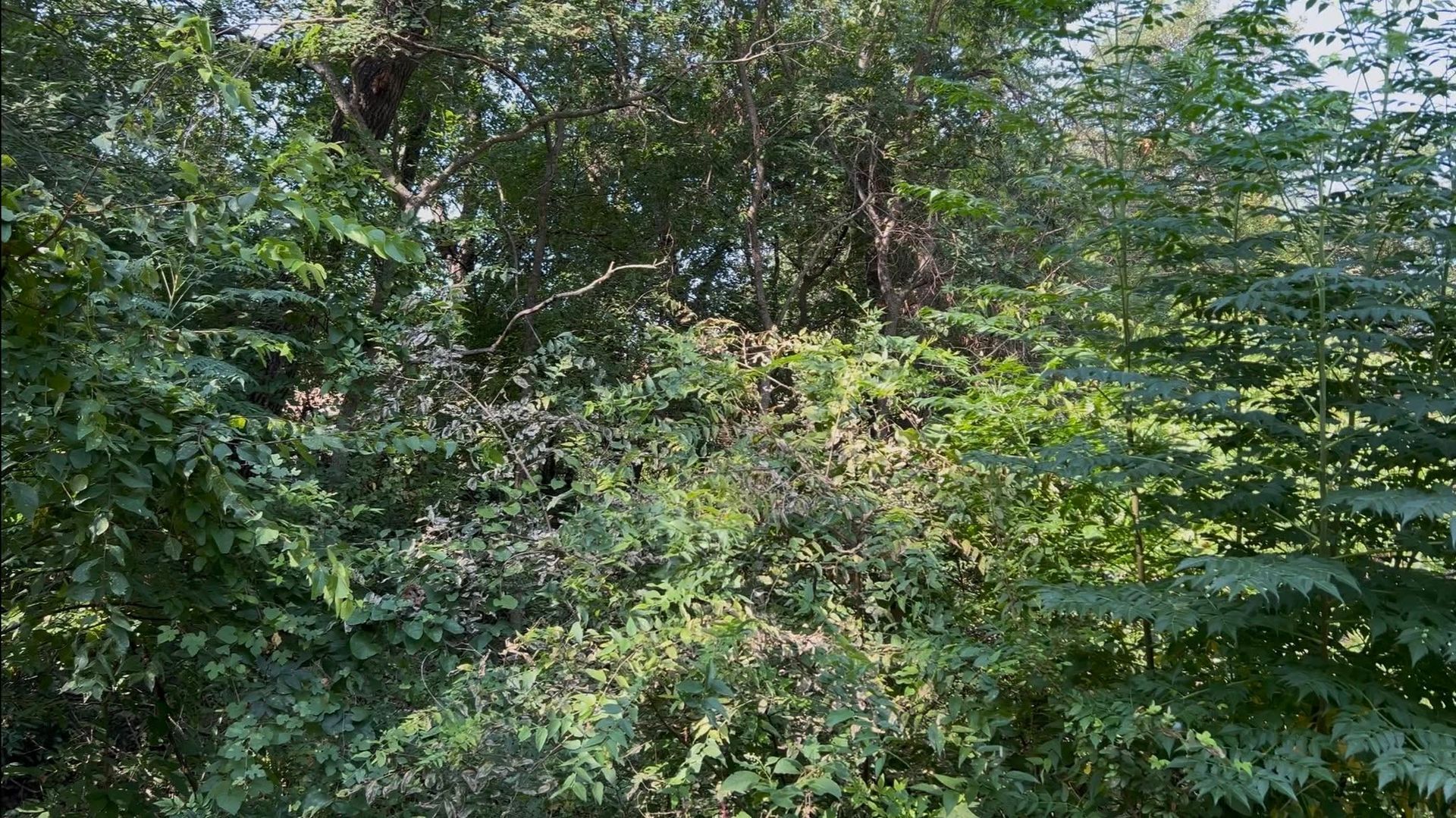
Properties covered in poison ivy, greenbrier, and dense vines present safety hazards and block access to trails, fences, and structures, making routine maintenance impossible without protective gear and constant vigilance. On-Scene Land Works removes brush and invasive species using equipment-based clearing that eliminates the need for manual cutting and repetitive chainsaw work. The service addresses properties across Midlothian and surrounding Ellis County areas where overgrowth has rendered land unusable, restoring safe passage without requiring debris hauling or burn permits.
The clearing process targets invasive trees, tangled vines, and thick undergrowth while leaving mature desirable trees intact. Removed material gets mulched on-site rather than piled and hauled, eliminating the logistical burden of coordinating debris removal or arranging burn dates. This approach works particularly well in Ellis County's climate, where humidity and rainfall encourage rapid regrowth of greenbrier and woody vines that can reclaim cleared areas within a single growing season if not processed thoroughly.
Arrange a property walkthrough to identify problem areas where brush removal will restore access and usability.
Why Equipment-Based Clearing Works for Invasive Vegetation
Brush removal involves processing vegetation at ground level and grinding root crowns that would otherwise resprout after manual cutting. The equipment handles dense stands of greenbrier and invasive saplings that resist hand tools, working through areas where poison ivy contact would otherwise require protective clothing and post-work decontamination. On-Scene Land Works uses this method to address properties where traditional tree service approaches—focused on pruning and limb removal—do not solve the underlying problem of invasive ground cover and understory dominance.
After removal, you walk trails without navigating thorny vines or stepping through poison ivy patches, and fencelines become visible and accessible for repair or maintenance. Cleared areas no longer trap moisture and harbor ticks or other pests that thrive in dense undergrowth, improving both safety and land functionality. The processed vegetation left as mulch prevents bare soil erosion during storms while suppressing the seeds and root fragments that would otherwise regenerate quickly.
This service works best for properties where vegetation has overtaken trails, pasture edges, or access roads, but it does not include stump grinding for large removed trees or grading work to level terrain. If your property requires additional dirt work or construction-grade site prep, those steps happen separately after brush removal establishes clear access.
Answers to Frequent Service Questions
Clearing overgrown properties raises practical questions about process, timing, and what remains after the work finishes.
What types of vegetation does brush removal address?
The service handles invasive saplings, greenbrier, poison ivy, woody vines, and dense undergrowth typical of Ellis County properties. Larger mature trees selected for retention remain standing, while invasive species and brush get processed into mulch.
How does this differ from hiring a tree service?
Tree services focus on trimming, pruning, and removing individual trees, typically using chainsaws and manual labor. Brush removal targets the invasive understory and ground cover that chainsaws handle inefficiently, using equipment designed to process volume rather than precision cuts.
When is the best time to schedule brush removal in Midlothian?
Late fall through early spring offers easier access to overgrown areas before summer heat and insect activity peak, though equipment-based clearing remains effective year-round. Properties with severe poison ivy benefit from winter scheduling when the plants are dormant and less likely to cause contact reactions.
What happens to all the removed brush and vines?
Removed material gets mulched on-site and spread across the cleared area, eliminating the need for burn piles or hauling trucks. The mulch layer decomposes naturally and prevents bare soil from washing away during heavy rain.
How quickly does brush grow back after removal?
Mulching the vegetation disrupts root systems and suppresses regrowth more effectively than cutting alone, though some invasive species may attempt to resprout. The mulch layer itself inhibits seed germination, slowing the return of brush compared to properties where vegetation is simply cut and left to regenerate from intact roots.
On-Scene Land Works serves property owners in Midlothian, Red Oak, and Ennis within a 50-mile service radius. Contact the team at (469) 856-1876 to schedule an evaluation of your overgrown property and discuss which areas require brush removal.