
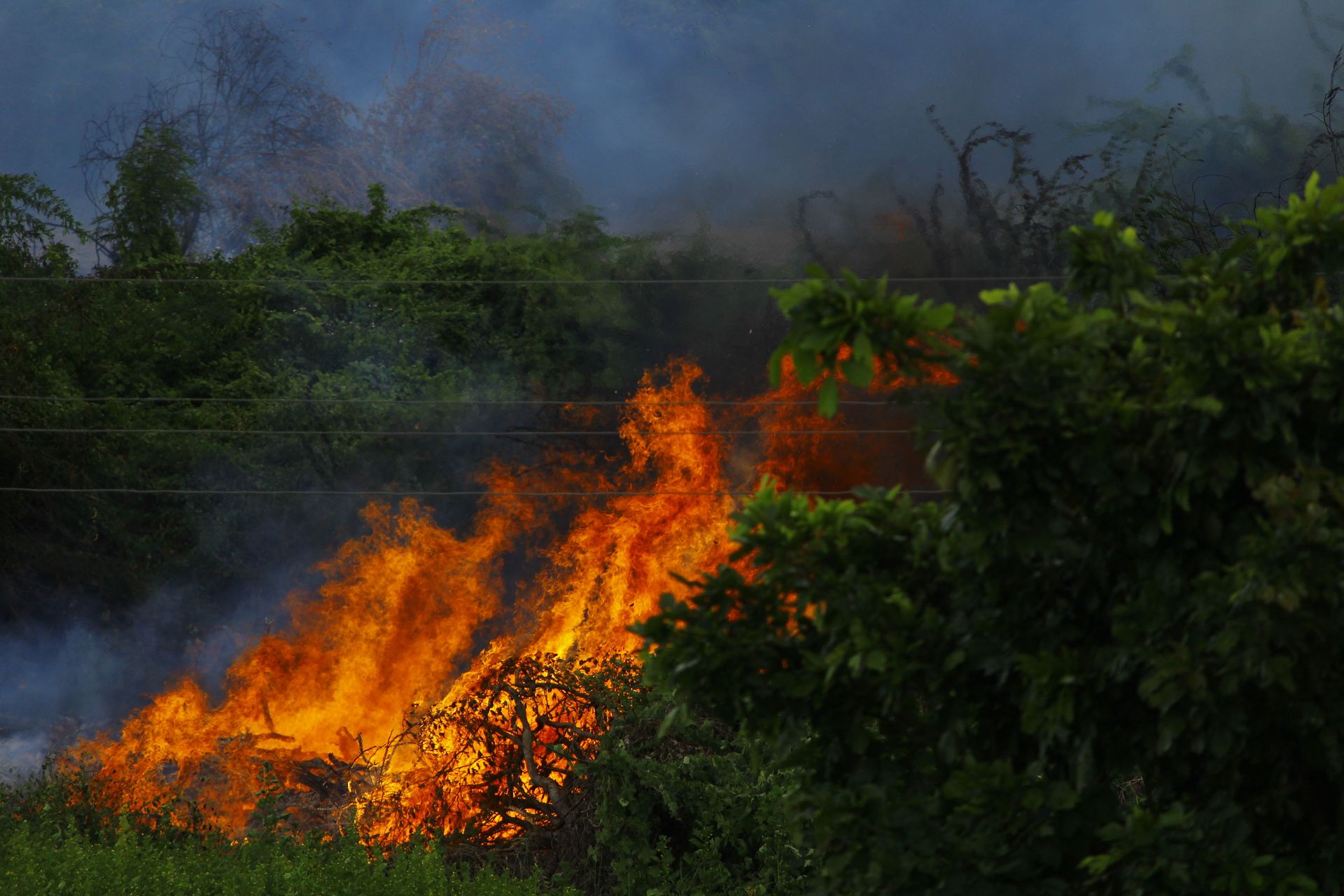
Property Protection Against Wildfire Risk
Fire Mitigation in Midlothian for properties with combustible vegetation and brush accumulation
Dense cedar, juniper, and dry brush create fuel corridors that allow wildfires to spread rapidly across North Texas properties, particularly during drought conditions when ground moisture drops and ambient humidity stays low for weeks. On-Scene Land Works provides fire mitigation in Midlothian that removes high-risk vegetation, reduces fuel loads, and creates defensible space around structures. This service matters most for properties with native brush stands, cedar breaks, or grasslands that border structures, fences, or access roads.
Fire mitigation involves clearing dead wood, thinning overgrown stands, removing ladder fuels that carry ground fires into tree canopies, and establishing fuel breaks that interrupt fire spread patterns. The work focuses on zones where ignition sources meet combustible materials, creating separation distances that slow or stop fire advancement toward buildings and infrastructure.
Schedule a property assessment to identify high-risk fuel concentrations and establish effective mitigation zones.
What Fire Mitigation Removes and Protects
The process targets standing dead timber, brush piles, cedar accumulations under 15 feet that act as vertical fuel ladders, and grasses within ignition zones around structures. Clearing work removes these materials entirely rather than simply cutting them down, since downed vegetation remains combustible until removed from the site or processed into non-hazardous mulch outside defensible perimeters.
Once mitigation is completed, you see cleared sightlines from structures to property boundaries, reduced undergrowth density that previously connected ground fuels to tree canopies, and open space around buildings where embers cannot easily ignite secondary fires. The property maintains its tree cover while eliminating the continuous fuel pathways that allow small fires to become structure-threatening events.
Fire mitigation does not eliminate all vegetation or create barren zones, but instead establishes managed fuel loads that reduce flame lengths, lower fire intensity, and provide access routes for emergency response equipment. Properties with multiple structures or outbuildings require separate defensible zones for each asset, with priority given to primary residences and access egress routes.
What Property Owners Usually Ask
Fire mitigation becomes relevant when properties contain native brush, when insurance assessments identify high wildfire risk, or when local fire districts issue vegetation management recommendations based on regional fuel conditions.
What vegetation poses the highest fire risk?
Cedar and juniper contain volatile oils that ignite easily and burn intensely, while dense undergrowth and dead standing timber create continuous fuel beds that carry fire horizontally across large areas. In Midlothian, properties with unmanaged cedar breaks face higher ignition probability during dry months when relative humidity drops below 25 percent for extended periods.
How much clearing is necessary around structures?
Defensible space typically extends 30 to 100 feet from structures depending on slope, prevailing winds, and fuel density, with the innermost zone maintained as low-fuel landscaping and outer zones thinned to interrupt crown fire spread while retaining larger trees for erosion control and habitat.
When should fire mitigation be completed?
Work is most effective during dormant seasons before spring green-up, allowing cleared material to be processed before high fire danger periods arrive in summer and fall when ignition risk peaks across North Texas.
What happens to cleared material?
Vegetation is either chipped on-site and spread in low-risk areas as mulch, hauled off-property for disposal, or burned under controlled conditions when air quality regulations and moisture levels permit safe ignition with containment.
How often does fire mitigation need repeating?
Depending on regrowth rates and species present, properties require maintenance clearing every two to four years to prevent fuel reaccumulation, with annual inspections identifying new growth or dead material that increases risk between full mitigation cycles.
On-Scene Land Works evaluates fuel loads, slope conditions, and structural vulnerabilities to develop mitigation plans that balance fire risk reduction with land management goals. Arrange a site evaluation to review your property's specific fuel concentrations and defensible space requirements.