
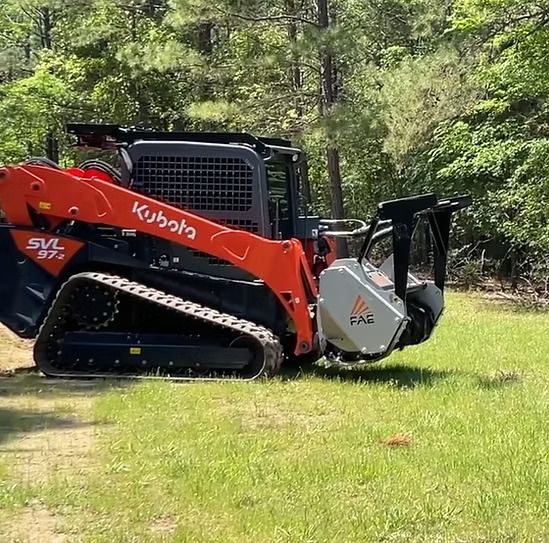
Safe Passage Through Overgrown Corridors
Trail Cutting in Midlothian for properties requiring access through dense brush and poison ivy
Trails become impassable when greenbrier, poison ivy, and encroaching brush reclaim corridors faster than manual maintenance can manage, forcing property owners to navigate hazards or abandon routes entirely. On-Scene Land Works cuts and clears trails through invasive vegetation using equipment-based clearing that maintains consistent width and eliminates the constant chainsaw work required by traditional methods. The service addresses properties across Midlothian, Red Oak, and Ennis where overgrown trails block access to back acreage, water sources, or recreational areas.
Trail clearing involves removing brush, vines, and invasive saplings from designated corridors while preserving mature trees that provide shade and prevent erosion along the trail edges. The equipment handles vegetation at ground level, processing root crowns that would otherwise resprout and reclaim the trail within weeks. Ellis County's climate encourages rapid regrowth of woody vines and thorny species, making equipment-based clearing more effective than hand tools for establishing trails that remain passable between maintenance cycles.
Schedule a property visit to map trail routes and discuss which areas require clearing for safe access.
What Proper Trail Cutting Requires
Cutting trails through wooded land requires maintaining consistent corridor width while avoiding damage to mature trees that stabilize the soil and provide canopy cover. The equipment processes encroaching brush and grinds invasive vegetation into mulch left along the trail edges, preventing bare soil erosion during heavy rain while suppressing the seeds and root fragments that would regenerate quickly. Trail corridors remain clear enough for foot traffic, vehicle access, or livestock movement without requiring protective gear to navigate poison ivy or thorny vines.
Once clearing finishes, you walk trails without pushing through overhanging branches or stepping over fallen brush, and the corridor remains visible from end to end instead of disappearing into dense thickets. Fencelines adjacent to trails become accessible for repair, and property boundaries stay defined rather than obscured by invasive vegetation. The mulched material along the trail edges breaks down naturally, enriching the soil while preventing the rapid regrowth typical of trails maintained only by periodic cutting.
Trail cutting focuses on establishing and maintaining passable corridors, but it does not include grading uneven terrain, installing drainage features, or removing large tree stumps that require separate grinding equipment. If your property includes steep slopes or areas prone to washout, additional erosion control measures may be necessary after the initial trail clearing.
What Property Owners Usually Ask
Landowners managing wooded properties face recurring maintenance challenges that equipment-based trail clearing addresses more effectively than manual methods.
How wide should trails be cut for practical use?
Trail width depends on intended use, but most property owners request corridors wide enough for utility vehicle access, typically eight to ten feet. Wider trails require more frequent maintenance to manage encroaching vegetation, while narrower paths work well for foot traffic but limit equipment access for future property management.
What makes equipment-based clearing better than chainsaw work?
Chainsaws excel at cutting individual trees and limbs but require significant manual labor to process dense brush and ground-level vegetation. The drum mulcher handles volume efficiently, grinding brush and saplings in a single pass and disrupting root systems that chainsaws leave intact to resprout.
How often do trails need re-clearing in Ellis County?
Regrowth speed depends on vegetation type and property conditions, but trails cut through invasive species like greenbrier and woody vines typically require maintenance every two to three years. Properties with established mulch layers and ongoing grazing or mowing pressure experience slower regrowth than trails cut through undisturbed brush.
Can trail cutting remove poison ivy safely?
Equipment-based clearing processes poison ivy without requiring direct contact, reducing exposure risk compared to manual cutting and pulling. The vegetation gets ground into mulch, which decomposes without spreading the plant's urushiol oil across the property as burning would.
What happens if trails cross wet or muddy areas?
Trail clearing addresses vegetation removal but does not resolve drainage issues or standing water that makes corridors impassable during wet weather. Properties with low-lying trail sections may require culverts, gravel, or other drainage solutions installed separately after the initial clearing establishes the route.
On-Scene Land Works operates within a 50-mile service radius from Midlothian, addressing trail maintenance needs across Ellis County properties. Reach out at (469) 856-1876 to discuss trail corridor clearing and long-term vegetation management strategies.