
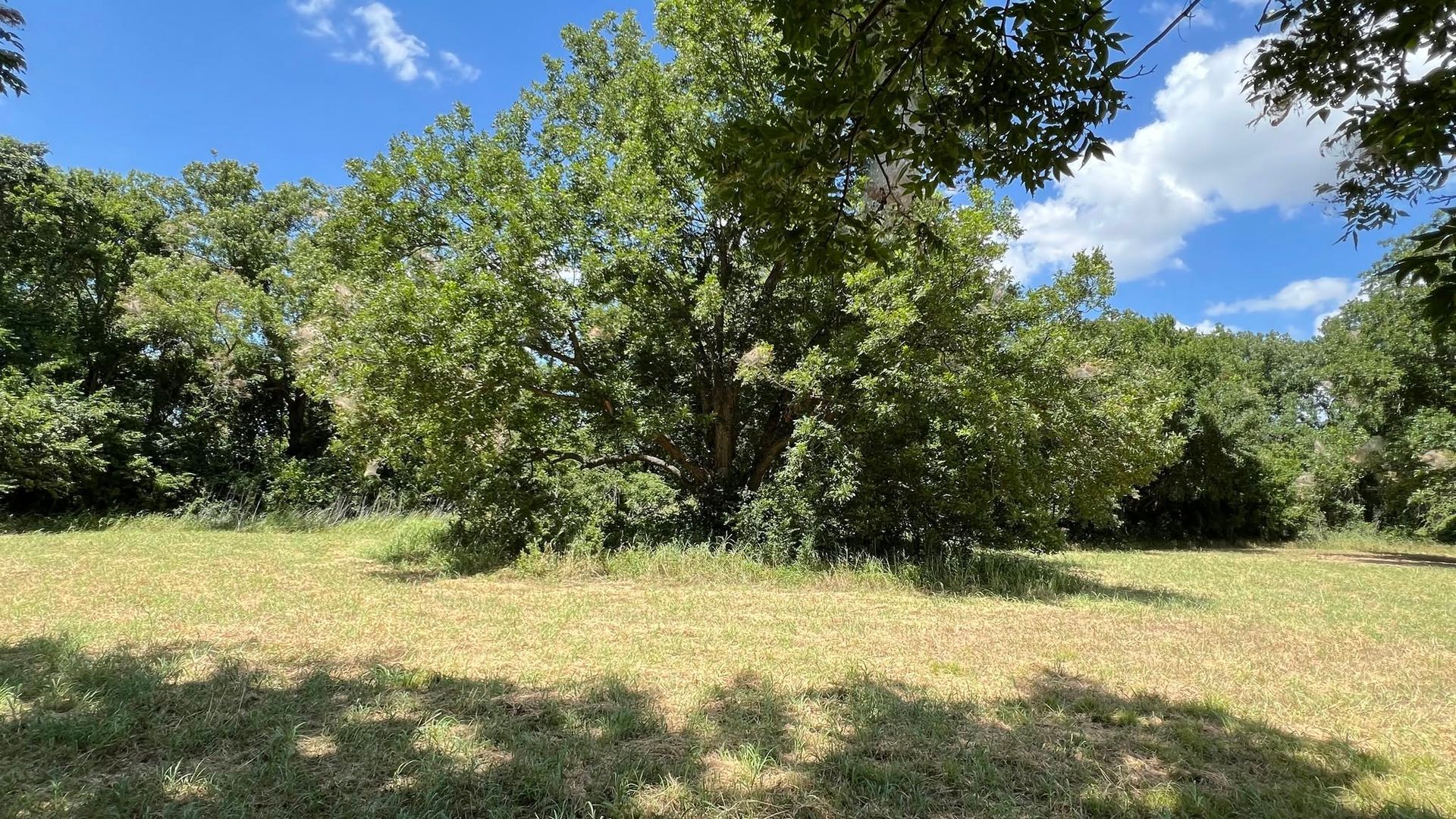
Native Trees Preserved While Invasives Get Cleared
Invasive Species Removal in Midlothian for properties losing pasture to cedar and mesquite encroachment
Cedar and mesquite dominate Ellis County's invasive plant pressure, spreading aggressively across pastures and choking out native grasses that once supported grazing or recreation. On-Scene Land Works removes invasive cedars, mesquite, greenbrier, and vines while preserving native mature trees, using a selective approach that restores land usability without clear-cutting. The service addresses properties throughout Midlothian, Waxahachie, and Cedar Hill where invasive species have reduced pasture productivity and blocked access to trails or fencelines.
The skid steer drum mulcher processes invasive vegetation in place, grinding cedar and mesquite into mulch that remains on the property rather than requiring hauling or burning. Native canopy trees marked for retention stay untouched, maintaining shade and soil stability while the invasive understory gets eliminated. This method works particularly well in North Texas, where cedar spreads rapidly through seed dispersal and mesquite resprouts aggressively from root systems if not processed thoroughly at ground level.
Request a site assessment to identify which species should be removed and which mature trees provide value worth preserving.
How Selective Removal Solves Regional Encroachment
Invasive species removal involves distinguishing between native hardwoods that support ecosystem health and invasive trees that outcompete desirable vegetation. The drum mulcher grinds invasive cedars and mesquite at ground level, disrupting root crowns and preventing the rapid resprouting that follows chainsaw cutting. The mulch byproduct left on the property decomposes over time, enriching the soil and suppressing seed germination from invasive species that would otherwise reclaim cleared areas within a single growing season.
After removal, pastures regain usable acreage previously dominated by dense cedar thickets, and trails become accessible without constant cutting to manage encroaching brush. Native oak and pecan trees remain standing, providing canopy cover and wildlife habitat while the invasive understory no longer competes for water and nutrients. The cleared land supports grazing, recreational use, or native grass restoration without the fire risk or permitting requirements associated with burning brush piles.
The service focuses on invasive woody species and does not include herbicide application for broadleaf weeds or grasses. If your property requires follow-up weed control or reseeding with native grasses, those steps occur separately after the invasive trees and brush have been removed and mulched.
Common Questions About This Service
Managing invasive species requires understanding how removal methods affect regrowth and what happens to the material once it's processed.
Why does cedar spread so quickly in Ellis County?
Cedar produces abundant seeds dispersed by birds and wind, and it thrives in disturbed or overgrazed pastures where native grasses no longer provide competition. Once established, cedar forms dense thickets that shade out other vegetation and alter soil chemistry, accelerating its own expansion.
How does mulching prevent mesquite from resprouting?
The drum mulcher grinds mesquite trees and root crowns into small fragments, disrupting the plant's ability to regenerate from the stump. While mesquite has aggressive root systems, processing the above-ground biomass and root crown slows regrowth significantly compared to cutting alone, which often stimulates multiple new shoots from the remaining stump.
What determines which trees get removed and which stay?
Trees marked for retention typically include native oaks, pecans, and other hardwoods that provide canopy cover and support wildlife. Invasive cedars, mesquite, and other species that outcompete native vegetation get mulched, along with brush and vines that obstruct access or pasture use.
How long does the mulch layer last after removal?
The mulch decomposes gradually over several months to a year, depending on weather conditions and microbial activity in the soil. During that time, it suppresses weed seeds, retains soil moisture, and prevents erosion, while eventually breaking down into organic matter that improves soil structure.
Can invasive species return after removal?
Some invasive seeds remain in the soil and may germinate in cleared areas, though the mulch layer inhibits germination and makes new seedlings easier to spot and manage. Properties that maintain grazing or mowing pressure after removal experience slower reinvasion compared to land left unmanaged.
On-Scene Land Works stores equipment in Midlothian and serves properties within a 50-mile radius, addressing cedar and mesquite encroachment across Ellis County. Call (469) 856-1876 to discuss selective removal tailored to your property's native tree population and invasive pressure.